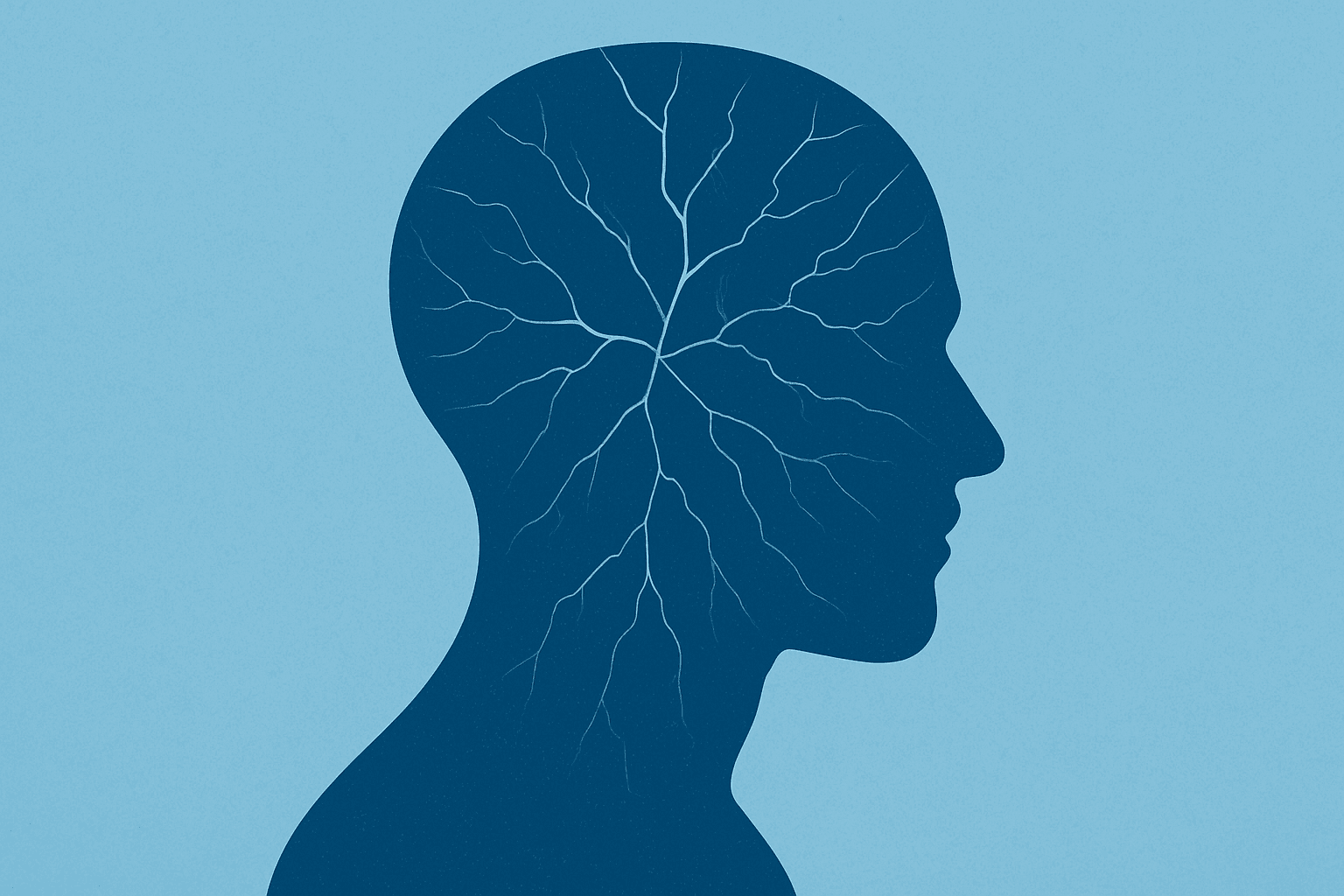
Today, I want to introduce the idea of a Relational Harm Index. A tool designed to bring clarity and visibility to the emotional damage people experience when trust, care, or connection break down.
Not all harm is visible. Not all pain shows up in lab results or legal documents. But these unseen wounds (emotional betrayals, relational breakdowns, moral injuries) shape how we live, how we connect, and how we react.
As a healthcare and IT professional, I’ve spent years helping systems track measurable harm. But what about the kind we don’t measure? The kind we don’t even name?
Why Relational Harm Needs a Framework
Traditional systems (legal, clinical, or social) track what they can quantify. That’s why we measure:
- Falls in hospitals
- Missed doses
- Data breaches
- Physical assaults
But we often ignore situations that still hurt deeply:
- A partner who emotionally abandons their spouse
- A colleague who consistently gaslights teammates
- A parent who shames instead of supports
- A manager who undermines psychological safety
These actions don’t violate laws. But they violate people. And those violations leave scars that society often dismisses.
What Is the Relational Harm Index?
The Relational Harm Index (RHI) is a conceptual framework designed to:
- Identify: Common categories of non-criminal, emotional harm (neglect, betrayal, humiliation, manipulation, etc.)
- Score: Key dimensions like intent, frequency, power imbalance, and psychological severity
- Guide: Possible steps for acknowledgment, dialogue, or restorative justice
Rather than issuing punishments, the RHI illuminates moral violations that impact well-being, decision-making, and future relationships.
By giving language to these experiences, the RHI helps us recognize patterns and interrupt harm before it turns into larger social fallout.
Why Now?
In healthcare and society at large, unacknowledged emotional harm fuels breakdowns we eventually treat with much higher cost:
- Burnout and turnover
- Retaliation or sabotage
- Addictive coping behaviors
- Even crime
These aren’t isolated events. They’re outcomes of chronic, unaddressed pain. If we want to evolve as a species, we need to move beyond systems that only respond to harm after it explodes. We need tools like the Relational Harm Index to intervene earlier and more empathetically.
Real-World Applications of a Relational Harm Index
The RHI framework isn’t just theoretical. It could support real-world systems across industries:
- Healthcare teams: To assess the emotional toll of toxic dynamics or leadership failures
- Education systems: To recognize moral injury in students or faculty
- Workplace culture: To guide restorative practices before turnover or legal escalation
- Ethical AI design: To model and avoid emotional harm in human-AI interactions
- Policy and justice reform: To inform non-punitive interventions and emotional repair pathways
The point isn’t to create more bureaucracy. It’s to build shared awareness and offer pathways to healing.
Why the Relational Harm Index Matters for the Future
We often ask, “What’s wrong with people?” when we should be asking, “What happened to them?”
The RHI aims to answer that second question. It gives us a map of invisible wounds so we can stop treating people like broken machines and start seeing them as relational beings.
By naming what we’ve ignored, we unlock the possibility of collective growth and a future where emotional injury is no longer brushed aside.
What’s Next?
This post was only the beginning. I’m excited to share that the full white paper on the Relational Harm Index (RHI) is now available. It dives deeper into structure, scoring models, implementation paths, and cross-sector impact.
👉 [Read the full white paper here]
If this resonates with you, stay tuned or reach out. I believe we’re ready as professionals, as a society, and as a species to take the next step toward evolution through empathy.
Thanks for reading. Feel free to subscribe here. If you have questions, ideas, or reflections, I’d love to hear them—reach out via the contact form on InfoMedixSolutions.com.
The Relational Harm Index is a conceptual framework proposed by the author as a thought exercise intended to inspire dialogue, reflection, and exploration. It is not a clinically validated tool, legal framework, or substitute for professional mental health or legal services. Readers are encouraged to view this model as an evolving idea in the early stages of development, not as medical, psychological, or legal advice.